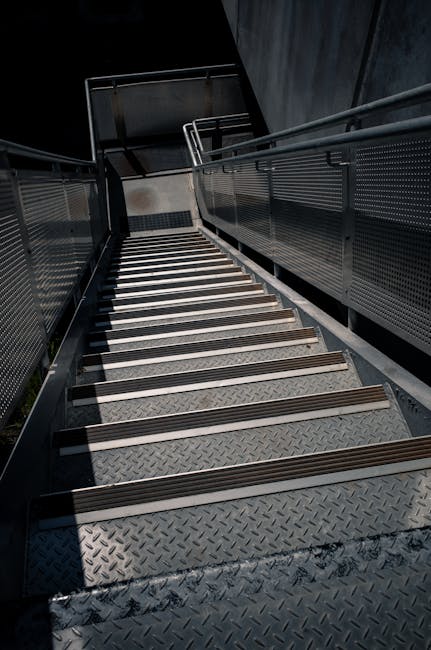
Access problems and stair challenges Holloway removals
If you are planning a move in Holloway, access problems and stair challenges can turn a straightforward removal into a bit of a puzzle. Narrow hallways, top-floor flats, awkward stairwells, tight parking, and long carries all change how a move needs to be handled. In practice, the difference between a smooth day and a stressful one is usually planning. Not fancy planning either - just the kind that spots the pinch points early and deals with them properly.
This guide explains what access issues mean in real removal terms, why they matter, and how to manage them without drama. You will also find a practical step-by-step approach, a comparison of moving methods, a real-world example, and a checklist you can use before moving day. If you are comparing options, it can also help to look at related services such as flat removals, home moves, or removal services depending on the type of property and load.
For many Holloway moves, the issue is not the distance. It is the building. One awkward flight of stairs can change the whole pace of the day. The good news? Most access problems can be handled well if they are identified early, measured properly, and communicated clearly. That is the difference.
Table of Contents
- Why access problems and stair challenges matter
- How access challenges are handled during a removal
- Key benefits of planning access properly
- Who this is for and when it makes sense
- Step-by-step guidance
- Expert tips for better results
- Common mistakes to avoid
- Tools, resources and recommendations
- Law, compliance, standards and best practice
- Options, methods and comparison table
- Case study or real-world example
- Practical checklist
- Conclusion
- Frequently asked questions
Why access problems and stair challenges Holloway removals matters
Access problems matter because they shape almost every part of a move: timing, labour, equipment, vehicle choice, and risk. In Holloway, that often means older buildings, converted houses, basement flats, upper-floor apartments, shared stairwells, and streets where parking is never exactly generous. You do not need a disaster to make the day difficult. A single narrow turn or a staircase with a tight landing can slow everything down.
Stair challenges also affect safety. Carrying furniture up and down steps puts pressure on people, walls, banisters, floors, and the item itself. A sofa can scrape. A fridge can tip. A box may look fine but burst open halfway down the stairs. Let's face it, stairs have a way of exposing weak packing very quickly.
There is a commercial side too. If access has been underestimated, a quote may not reflect the real work required, and that can lead to delays or awkward conversations later. That is why it helps to be upfront. Good access planning protects the move, the property, and the budget. It also protects your nerves, which is no small thing on moving day.
Expert summary: the earlier you assess stair access, doorway width, lift availability, parking, and carrying distance, the easier it is to choose the right removal method and avoid last-minute surprises.
For larger household moves, the planning often sits alongside packing and timing decisions too. If that is part of your situation, the guidance on packing and boxes can be useful because badly packed items and difficult access are a bad combination.
How access problems and stair challenges Holloway removals works
Handling an awkward move usually starts with a simple access review. That means understanding how items will leave the property and how they will reach the vehicle. The process is not glamorous, but it works. A good mover will want to know about stairs, lifts, turning spaces, parking, loading distances, and whether any large items need partial dismantling.
In a typical Holloway flat move, the workflow may look like this:
- Review the property layout and identify pinch points.
- Estimate the size and weight of the main items.
- Check whether furniture can be carried upright, angled, or must be dismantled.
- Decide whether a smaller vehicle, extra crew, or a different loading plan is needed.
- Protect floors, bannisters, and door frames before the carrying starts.
- Move items in a logical order, often from easiest to hardest, so stair flow stays manageable.
It sounds basic, but that order matters. If the heaviest item is tackled first without a route plan, the whole stairwell can become blocked. If the smallest items are moved first, the team may keep the route clear and reduce the chance of scratches or knock-on delays.
When a property has limited access, the mover may also recommend a different service style. For example, a man and van setup may suit smaller loads, while a larger family home may need something more like house removals. The right method depends on volume, access, and how much lifting is involved. Simple enough, but easy to get wrong if you assume one size fits all.
In practice, the stair challenge is not just about stairs. It is about the whole route. A third-floor flat with no lift, a narrow front door, and a parking space two streets away is a very different job from a ground-floor move with good loading access. You feel the difference pretty quickly.
Key benefits and practical advantages
Good access planning gives you more than peace of mind. It creates a move that is safer, faster, and usually less stressful. Here are the main advantages.
- Less damage risk: careful planning reduces the chance of scuffed walls, damaged banisters, and broken items.
- Better time control: if the stair route and parking are understood, the move is less likely to overrun.
- Smarter vehicle choice: the correct van or truck is easier to select when access details are clear.
- Reduced physical strain: carrying items the wrong way up stairs is tiring and can be hazardous.
- Clearer pricing: proper information helps the quote reflect the real effort required.
- Less friction with neighbours or building managers: a well-organised move is less disruptive in shared buildings.
There is also a confidence benefit. When you know the route has been checked, you can stop worrying about the unknowns. That may sound small, but on move day it is huge. Most people do not need perfection. They just need fewer surprises.
For some moves, especially compact apartment jobs, flat removals are a natural fit because the service format suits stair-heavy properties and smaller, more frequent carries. For bigger jobs, a broader approach may be better. The right choice depends on the building, not just the belongings.
Who this is for and when it makes sense
This kind of planning is for anyone moving from or into a property where access is not easy. That covers more people than you might think.
- People in basement or top-floor flats
- Residents in converted houses with tight stairs
- Students moving into shared accommodation
- Families in terraced homes with narrow hallways
- Office teams in older buildings or upper floors
- Anyone moving large items such as wardrobes, beds, or upright instruments
It also makes sense if you are dealing with a tight turnaround. For example, if you need to empty a property before a handover, awkward access can eat into your buffer very quickly. In that situation, a service like same day removals may be worth considering, though the access details still need to be clear from the outset.
Truth be told, access planning is not just for difficult properties. Even a "normal" move can become awkward if the lift breaks, parking disappears, or the weather turns. Holloway is busy enough that a small issue can snowball. One missed detail and suddenly everyone is carrying boxes in the rain. Not ideal.
If the move is work-related, it is also sensible to think about how people, laptops, chairs, and filing boxes will travel in stages. The guidance on office removals and commercial moves may help if your stair challenge sits inside a business relocation rather than a home move.
Step-by-step guidance
Here is a practical way to handle access problems without overcomplicating things.
1. Measure the route, not just the room
Measure door widths, stair width, landing space, and any tight corners. A sofa might fit in the living room, but that tells you nothing about the staircase. Check the route from the room to the vehicle, not just the room itself.
2. List the awkward items first
Big beds, wardrobes, mirrors, appliances, and anything fragile should be identified early. These are the items most likely to create stair trouble. If something can be dismantled safely, that often makes life easier. If it cannot, note that too.
3. Check parking and carrying distance
If the van cannot stop near the entrance, the carry becomes longer and more tiring. That changes the schedule. A move with a short stairwell and a long road carry can be more demanding than one with several flights but good parking. Funny how that works.
4. Plan the loading order
Put the hardest-to-move items first in the plan. That way, the team is freshest when tackling the trickiest pieces. Smaller cartons can be used to keep the route moving while a large item is being positioned or rotated.
5. Protect the property
Use covers, blankets, floor runners, and corner protection where needed. Shared buildings especially benefit from this because one scrape on a stair edge can become a conversation nobody wants.
6. Keep communication simple and direct
If you are the customer, describe the access exactly as it is. Do not tidy it up in your head. If the stairwell is tight, say so. If parking is awkward, say so. If there is a lift but it is small, say so. The clearer the description, the better the plan.
7. Build in a little time margin
Access issues rarely get faster once the moving starts. A buffer helps. Not a huge one, just enough to absorb a delay if a bed frame needs turning twice or a neighbour's car blocks the route.
For anyone still sorting the rest of the move, packing and unpacking services can take some pressure off the day, especially when stairs are already making everything slower than expected.
Expert tips for better results
A few small decisions can make a stubborn access problem much easier to handle. These are the details experienced crews tend to watch for.
- Use the widest route, not the nearest route: shortest is not always easiest when corners are tight.
- Remove obstacle items early: shoe racks, bins, rugs, and plant pots can block a stair landing more than people expect.
- Keep one person free to guide: a spotter at the bottom or top of the stairs helps avoid missteps and clipped walls.
- Wrap awkward edges well: table legs and bed corners are classic damage points.
- Split the move into stages if needed: sometimes it is smarter to move the difficult items separately rather than forcing everything through the same bottleneck.
One practical thing people forget: footwear. On polished or steep stairs, grip matters. That is not dramatic, just sensible. A tired move day plus smooth stairs is a bad pairing. You do not want slip risk added to the mix.
Another useful habit is taking a quick look at the stairwell before the move starts. You may spot loose carpet, low lighting, a door that swings inward, or a narrow turn that was not obvious in photos. In the morning light, these little things stand out. Better then than mid-carry.
And yes, sometimes a bit of humour helps. If a wardrobe looks like it was designed by someone who hated staircases, you are probably not imagining it.
Common mistakes to avoid
Most access-related headaches come from the same handful of mistakes. Avoid these and you are already ahead.
- Guessing the access: "It should fit" is not a plan.
- Forgetting stair landings: the turn matters as much as the stairs themselves.
- Not mentioning parking issues: long carries can change the whole job.
- Leaving packing too late: rushed boxes are harder to carry and more likely to split.
- Assuming a lift solves everything: small lifts, shared lifts, or unreliable lifts can still slow the move down.
- Ignoring building rules: some blocks have move windows, loading bays, or protection requirements.
A subtle one is underestimating fatigue. Stair moves look manageable at first, then five trips later everyone is feeling it. That is normal. The fix is not heroic effort; it is pacing, route planning, and the right size team. Nice and boring. Which is exactly what you want.
If you are moving on a student budget, access problems can make a low-cost move feel unexpectedly expensive in time and effort. In that case, the page on student removals may be relevant because student moves often involve stairs, shared entrances, and small but fiddly loads.
Tools, resources and recommendations
You do not need specialist kit for every move, but the right tools make awkward access much safer and neater.
| Tool or resource | What it helps with | Best use case |
|---|---|---|
| Furniture blankets | Protecting finishes from knocks and scrapes | Large items, bannisters, and door frames |
| Floor protection | Reducing dirt and impact damage on stairways and hall floors | Shared buildings and busy entrances |
| Straps and grips | Improving control when carrying heavy items | Long stair carries and awkward turns |
| Basic dismantling tools | Breaking down oversized furniture before the carry | Wardrobes, bed frames, desks |
| Room-by-room inventory | Identifying the awkward items before move day | Any property with stair challenges |
As a recommendation, keep your measurements in one place. A notes app is fine. A paper list is fine too. Nothing glamorous. Just something you can hand over or read out clearly without searching through messages at the last second.
If items are not going straight to the new property, short-term holding can also help. The page on storage may be useful when access issues make it better to move belongings in stages rather than all at once. That can take the pressure off, especially if completion times are messy. Which, frankly, they sometimes are.
For larger items, specialist support matters as well. A service like furniture removals is useful when the challenge is less about volume and more about safely moving bulky pieces through tight stairwells.
Law, compliance, standards and best practice
For removal work involving stairs and access constraints, the most relevant expectation is safe handling. In the UK, that generally means following sensible manual handling practice, using equipment properly, and avoiding preventable injury or damage. The details vary by job, but the principle is simple: if something is too heavy, too awkward, or too risky to carry safely, the approach should change.
Best practice usually includes:
- clear pre-move information about access
- realistic assessment of lifting risk
- appropriate team size for the job
- protection for the property and the items
- careful route management in shared buildings
Insurance and safety are also worth checking before moving day. Not because you expect a problem, but because you want clarity if one occurs. A reputable mover should be able to explain how they approach risk and protection in straightforward language. You can read more about that approach through the site's insurance and safety information and the health and safety policy.
If you are moving in a block of flats or a managed building, it is sensible to respect any building manager instructions, move windows, lift bookings, or loading arrangements that apply. Those are not just admin details. They keep the day from turning into a hallway traffic jam.
For buyers who care about service trust, it can also help to review company information such as about us, terms and conditions, and privacy policy so expectations are clear before the job begins.
Options, methods, and comparison table
Different access situations call for different moving methods. Here is a simple comparison to help you judge what fits.
| Method | Best for | Strengths | Watch-outs |
|---|---|---|---|
| Man and van | Smaller loads, flexible timings, lighter access challenges | Agile, cost-conscious, well suited to compact moves | May not suit multiple large items or very difficult stair cases |
| Flat removals | Apartment moves with stairs, lifts, or shared entrances | Designed around residential buildings and access planning | Still needs accurate details to avoid delays |
| House removals | Full-home moves with larger inventories | Useful when more crew, time, and planning are required | Stair access can still be the limiting factor if not assessed properly |
| Removal truck hire | Jobs needing a larger vehicle or more carrying capacity | Handy for bigger loads and longer transport runs | Large vehicles are not always ideal for tight Holloway streets |
| Storage plus staged moving | Complex access, timing gaps, or phased moves | Reduces pressure when stair access or completion timing is awkward | Requires extra coordination and may add another step to the plan |
There is no single winner here. The right method depends on the building, the volume, and the sort of stair challenge you are dealing with. A compact flat on the fourth floor and a family house with a tricky front path are both "access issues", but they are not the same job at all. That distinction matters.
For heavier or more specialised items, it may be worth checking a dedicated service such as piano removals if your stair challenge includes something genuinely delicate and weighty. Pianos and stairs are never a casual mix.
Case study or real-world example
Here is a realistic example from the kind of move that comes up all the time in Holloway.
A couple were moving from a second-floor flat in a converted Victorian property. The staircase was narrow, the landing turned sharply, and the front door opened onto a street where parking could not be guaranteed. On paper, the move looked ordinary. In reality, it had three pressure points: awkward stairs, bulky furniture, and limited loading space.
The solution was simple, but careful. First, they measured the largest pieces and flagged the wardrobe, bed base, and sofa. Next, the team planned the stair route and agreed which items would be dismantled in advance. A parking-friendly loading window was chosen, and the smaller boxes were packed early so they could be moved efficiently while the larger items were being handled.
The move still took effort. Of course it did. But because the access details had been shared clearly, nothing came as a surprise. The stair turns were handled one at a time, the walls were protected, and the team did not have to improvise under pressure. The couple said the biggest relief was simply not having to guess what would happen next. That feeling is worth a lot on moving day.
The lesson is plain enough: access problems are much easier when they are named early. Once the difficult bits are out in the open, they stop being mysterious and start being manageable.
Practical checklist
Use this checklist before move day. It is short on purpose.
- Measure stair width, doorways, and any sharp turns.
- Check whether furniture must be dismantled.
- Confirm parking and loading access at both addresses.
- Note whether there is a lift, and if it is usable for large items.
- Protect bannisters, floors, and corners.
- Pack awkward or fragile items securely.
- Tell the mover about any especially heavy or unusual pieces.
- Plan the route from the door to the vehicle.
- Keep a buffer in case the stair carry takes longer than expected.
- Have a backup plan for any item that cannot safely go upstairs or downstairs in one piece.
If you are still weighing up whether to move now or keep things flexible for a bit, a page like removals can help you think through the broader moving picture, while removal van or man with van options may suit smaller or more agile moves where stair access is the main issue.
Get a free quote today and see how much you can save.
Conclusion
Access problems and stair challenges do not have to derail a move in Holloway. They just need to be recognised for what they are: practical constraints that shape the plan. Once you know where the tight turns, narrow steps, parking gaps, and heavy items are, everything becomes more manageable. Not easy, necessarily. But manageable.
The best moves are rarely the most dramatic ones. They are the ones where the details were handled early, the route was checked properly, and the team had enough information to work safely and steadily. That is especially true in buildings with stairs, because stairs have a way of exposing every shortcut. Better to respect them from the start.
Whether you are moving a single flat, a full house, or an office with awkward access, the same rule applies: plan the route, protect the property, and do not leave the stair challenge to chance. A calm move is still possible, even in a tight building. Sometimes especially then.
And if all you take from this is one thing, make it this: measure first, guess later never.
Frequently Asked Questions
What are access problems in removals?
Access problems are anything that makes it harder to move items in or out of a property. That can include narrow stairs, tight doorways, blocked parking, small lifts, long walking distances, or awkward corners.
Why do stair challenges affect removal quotes?
Stairs usually mean more lifting, more time, more physical effort, and sometimes more crew or equipment. A quote needs to reflect that extra work so the move is planned properly.
How do I know if my furniture will fit down the stairs?
Measure the furniture and the route. Door width, stair width, landing size, and turning space all matter. If a large item looks tight on paper, it is worth assuming it may need dismantling or specialist handling.
Should I tell the mover about every access issue?
Yes. The small details often matter most. A steep step at the entrance or a parking restriction outside can change the plan more than people expect.
What if my building has no lift?
No lift does not automatically mean a problem, but it does mean the stair route has to be planned carefully. Top-floor and basement moves usually take longer and may need extra care.
Can a man and van service handle stair-heavy moves?
Sometimes, yes. Smaller moves with limited items can work well with a lighter setup, especially if the access details are clear. For larger loads or more difficult stairs, a fuller removal service may be a better fit.
Do I need to dismantle furniture before a move?
Not always, but it often helps with difficult stair access. Bed frames, wardrobes, desks, and tables are common examples of items that may need partial dismantling to get through safely.
How can I make stair moves safer?
Use proper lifting technique, keep the route clear, protect the building, and avoid rushing. If something feels too awkward or too heavy, stop and reassess rather than forcing it.
What if parking is far from my front door?
That creates a longer carry, which affects timing and effort. It is best to mention it in advance so the move can be planned with that extra distance in mind.
Are stair challenges common in Holloway?
They are fairly common because many properties in the area have older layouts, conversions, or shared entrances. It is not unusual at all, which is why proper planning makes such a difference.
What should I do if an item looks too large for the stairwell?
Do not force it. Check whether it can be dismantled, rotated safely, or moved by a different route. If needed, ask for help from a removal team that understands awkward access.
Is storage useful when access is difficult?
Yes, sometimes. If the timing is awkward or the property access is too restrictive for everything to move in one go, storage can let you stage the move more comfortably.
For more about the company background and service approach, you may also find about us useful, along with the pricing and quotes page if you are at the comparison stage and want a clearer picture before booking.