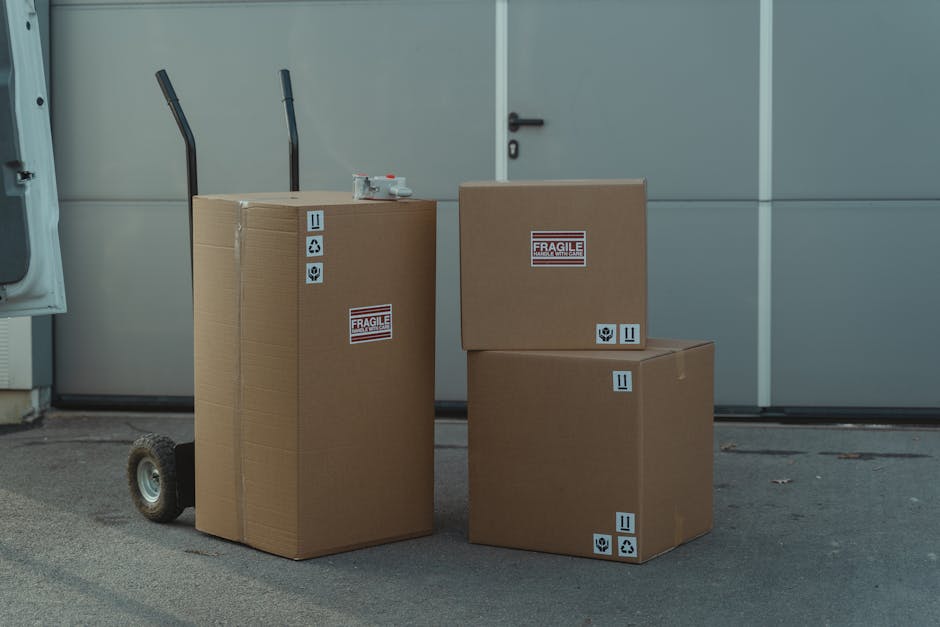
Avoid Fines Moving Bulky Goods Holloway Council Regulations: A Practical Guide for Safer, Smarter Moves
If you are moving a sofa, wardrobe, piano, fridge, or office furniture in Holloway, the last thing you want is a knock-on problem with parking, loading, or access that leads to a fine. Avoid fines moving bulky goods Holloway council regulations is really about doing the boring bits properly so the actual move goes smoothly. Get the setup right, and everything feels calmer: less waiting, less dragging heavy items too far, and far fewer surprises on the day.
This guide breaks down the practical side of bulky-goods moves in Holloway, including what usually causes fines, how to plan around local restrictions, and what to check before you book transport or start lifting. It is not about making a simple move feel legalistic. It is about helping you avoid the kind of mistake that turns a straightforward job into a stressful one by 9:15 in the morning. You know the sort.
Why Avoid fines moving bulky goods Holloway council regulations Matters
Bulky-item moves in Holloway are rarely difficult because of the item itself. The real headache usually comes from the surroundings: tight streets, residents' bays, limited stopping places, school traffic, and the basic fact that a large van can quickly become someone else's obstruction if the plan is sloppy. That is where fines tend to appear.
In practice, the biggest risk is not just a council penalty. It is the chain reaction that follows. A vehicle parked badly can delay the crew, push the move beyond the slot you expected, and make heavy lifting more hazardous. In our experience, one missed parking detail can ripple through the whole day. The room is still there, but the clock has gone slightly feral.
Holloway is the kind of area where a careful approach matters. Even a short move across the neighbourhood may need proper thought about access, loading, route planning, and how long the vehicle can sit outside the property. That is why people searching for bulky-item moving advice are usually trying to avoid two things at once: wasting time and getting stung for an avoidable mistake.
Expert summary: if you are moving large furniture or equipment in Holloway, treat parking, timing, and access as part of the job, not an afterthought. The item is only one piece of the puzzle. The street outside matters just as much.
How Avoid fines moving bulky goods Holloway council regulations Works
There is no single magic trick here. It works by matching your move to the local conditions before the van turns up. You check whether the property is on a restricted street, whether bay suspensions or loading restrictions could apply, and whether the item can be carried safely from door to vehicle without blocking pavements or traffic for too long.
The council side is usually about parking and road use rather than the goods themselves. For bulky items, the main question is often whether the van can legally stop where it needs to stop. If the stop is temporary, it still needs to be practical and lawful. If the item is awkward, heavy, or oversized, you may need extra time or a larger vehicle than first expected. That sounds obvious, but people still underbook it all the time.
Another piece of the puzzle is communication. If you are using a professional team, tell them exactly what is being moved. A piano, treadmill, American-style fridge, or solid wood wardrobe is not the same as a box of flat-pack chairs. The wrong assumption can lead to the wrong vehicle, too few hands, or a rushed loading plan. None of that helps with compliance.
If you are comparing service options, it can help to look at broader moving support such as removals, man and van, or specialist handling pages like furniture removals and piano removals. The right choice depends on weight, access, and how much risk you want to remove from the day.
Key Benefits and Practical Advantages
Doing this properly gives you more than just peace of mind. It improves the actual move.
- Less chance of fines: parking and loading are planned, not guessed.
- Smoother loading: the team knows where to park and how to carry items safely.
- Lower damage risk: fewer last-minute manoeuvres mean fewer knocks, scrapes, and dropped corners.
- Better timing: a well-prepared route and loading point save minutes that quickly become significant.
- Less stress: you are not staring at the street wondering if someone is about to ticket the van.
There is also a quieter benefit that people overlook: confidence. Once you have a realistic plan, the day stops feeling improvised. You can focus on the move itself rather than juggling parking questions, access issues, and a growing sense that something has probably been forgotten. Truth be told, that calm is worth a lot.
If bulky goods are part of a bigger move, it may also make sense to look at home moves, flat removals, or office removals. The more complicated the move, the more valuable that extra planning becomes.
Who This Is For and When It Makes Sense
This guidance is useful for a lot of people, not just anyone moving house. Bulky goods come up in many situations, and the same local parking and access issues still apply.
- Homeowners and tenants moving large furniture, white goods, or boxes of heavy household items.
- Students shifting beds, desks, and larger personal items in a time-limited move.
- Landlords and letting agents dealing with clearance or replacement items between tenancies.
- Business owners moving office furniture, filing cabinets, or stock.
- People booking same-day help when timing is tight and mistakes get expensive quickly.
It also matters when you are moving just one awkward piece. A single sofa can create the same access problems as a full van load if the street is tight or parking is controlled. The item count is not always the issue; the shape, weight, and access route often matter more.
If you are not sure how much help you need, a broader service like removal services or a flexible vehicle option such as removal van support can be a sensible middle ground.
Step-by-Step Guidance
Here is the practical version. Nothing fancy, just the sequence that usually prevents the most common mistakes.
- List every bulky item. Be honest about size, weight, and awkward corners. A wardrobe with doors removed is still a wardrobe.
- Check access at both addresses. Measure hallways, stairs, lifts, door widths, and any tight bends. One narrow landing can change the whole plan.
- Work out where the vehicle can legally stop. Think about parking bays, loading restrictions, yellow lines, and whether your chosen spot is realistic at that time of day.
- Choose the right transport. A small van, a larger van, or something closer to a moving truck all suit different jobs.
- Pack and protect before move day. Use blankets, straps, tape, and proper wrapping for fragile or sharp-edged items. The best parking plan in the world will not save a chipped sideboard.
- Leave time for loading. Build in a little cushion. Not loads. Just enough that one awkward item does not throw everything off.
- Keep documents and contacts handy. If the driver, building manager, or keyholder needs to be reached quickly, you do not want to be searching through three pockets and a bag of cables.
- Confirm the final plan the day before. Recheck item list, vehicle size, start time, and any access notes. Short, simple, effective.
Small detail, but important: if you are moving from a flat with stairs or a building with strict access windows, a service such as house removals or house removalists may offer a better fit than a basic point-to-point van hire. The right service choice can reduce both fines and fatigue.
Expert Tips for Better Results
These are the little things that make a surprisingly big difference.
First, move early if you can. Morning collections are often simpler because traffic tends to be lighter, and loading is less likely to clash with peak local activity. Not always. But often enough to matter.
Second, assume the item is heavier than it looks. A flat-pack-looking cabinet can be deceptively dense. A bulky item with awkward balance can be harder to handle than a heavier but better-shaped object. That is why good movers keep their judgement sharp rather than just relying on size alone.
Third, prepare the exit route as carefully as the van space. People focus on the vehicle, then forget the staircase or communal hallway. A clear path, some protective coverings, and a bit of forethought can save walls, hands, and temper.
Fourth, do not leave parking to chance. If the stop is critical, plan it. If needed, consider whether your move is better suited to a business-oriented option such as commercial moves or a more general removal truck hire arrangement.
Fifth, use storage when timing gets messy. Sometimes the property handover, repair work, or access window does not line up neatly. In those cases, a temporary storage option can remove pressure and keep you out of a rushed, risky unload.
And one more thing: if an item needs two people, please do not try to prove otherwise. We have all seen the doomed "I've got it" moment. It rarely ends elegantly.
Common Mistakes to Avoid
Most fines and delays come from the same handful of errors. Easy to make. Annoying to fix.
- Assuming any van can park anywhere. It cannot. Local rules and street conditions matter.
- Underestimating item size. The width of a sofa or the depth of a fridge can catch you out when turning corners or using lifts.
- Ignoring loading time. Even a short stop can be too long if the access plan is poor.
- Forgetting building restrictions. Some blocks have booking windows, lift reservations, or rules about delivery access.
- Booking the wrong vehicle. Too small means extra trips. Too large may be awkward or unnecessary.
- Not checking insurance and safety arrangements. This matters especially with heavy or valuable goods.
Another common slip is leaving packing until the last minute. That one sneaks up on people. If you are still hunting for tape while the van is arriving, the day is already behind you. A service like packing and boxes or packing and unpacking services can be helpful if time is tight.
Tools, Resources and Recommendations
You do not need a huge toolkit, just a sensible one.
- Tape measure: for doors, hallways, lifts, and item dimensions.
- Protective blankets and covers: to prevent scuffs and edge damage.
- Straps or ties: to secure bulky goods in transit.
- Dolly or sack truck: useful for heavy items when flooring and layout allow it.
- Basic labels: especially if you are moving several large items or mixing them with boxed contents.
- Notes app or paper checklist: old-fashioned, yes, but it works when you are flustered.
For service planning and cost clarity, the pages on pricing and quotes and insurance and safety are useful starting points. They help you think beyond the headline price and focus on what is actually included. That tends to save headaches later.
If the move is part of a wider cleanup, you may also want to think about the end of the old items. Furniture pick-up and furniture removals can be relevant when you are replacing bulky goods rather than keeping everything.
Law, Compliance, Standards, or Best Practice
Strictly speaking, the key issue is not usually the bulky goods themselves. It is how the move interacts with parking, loading, access, and safety responsibilities. Local authority rules can affect where a vehicle may stop, for how long, and under what conditions. Depending on the street and the timing, you may need to be especially careful about restrictions that affect residential roads and busy local routes.
Best practice in this context is straightforward:
- do not block access routes or pavements unnecessarily;
- keep loading periods as short as realistically possible;
- make sure the vehicle chosen fits the access constraints;
- protect people, property, and the goods being moved;
- stay within any building or street rules that apply to the location.
For business moves, this becomes even more important because you may have shared access, staff traffic, or time-sensitive handovers to manage. That is where a coordinated plan, such as office relocation services or office removals, can make compliance feel less like a burden and more like ordinary good practice.
As with any local regulation question, if the situation is unusual, check the details carefully rather than assuming. That is the safest way to avoid fines and awkward conversations on the pavement. Nobody needs that at 8 a.m.
Options, Methods, or Comparison Table
Different moving methods suit different bulky-goods jobs. The table below gives a simple comparison to help you decide what is likely to fit.
| Option | Best for | Strengths | Limitations |
|---|---|---|---|
| Man and van | Single items, small furniture sets, flexible local jobs | Often quicker to arrange, adaptable, good for modest loads | May be too small for very bulky or multiple heavy items |
| Removal van | General household bulky goods | Balanced size, suitable for mixed loads, practical for most local moves | Still needs proper access planning |
| Moving truck | Larger home or business moves | More capacity, fewer trips, better for sizeable loads | Harder to manoeuvre in tight streets if access is poor |
| Full removal service | Complex moves, multiple bulky items, stairs, or time pressure | More support, safer handling, better planning around logistics | Usually more involved than a simple vehicle-only hire |
If you are unsure, start with the access question rather than the item question. Can the chosen vehicle stop legally and safely near the property? If the answer is messy, the rest of the decision changes pretty quickly.
Case Study or Real-World Example
Here is a realistic example. A family in Holloway needed to move a heavy wardrobe, two sofas, and a washing machine from a first-floor flat to a new place a few streets away. The distance was short, so they assumed the move would be simple. That was the first mistake, really.
The issue was parking. The old property sat on a busy street with limited stopping options, and the new flat had a narrow stairwell with a tricky landing turn. Once the item list was checked properly, it became clear they needed a van with enough capacity for a single clean run, plus a loading plan that reduced time outside the building. They also arranged packing materials and used a short-term storage option for one item that did not need to go on day one.
The result was not dramatic. Which is the point. No mad scramble, no panicked parking, no traffic warden drama, no scratched banister. The move felt ordinary. In moving terms, that is a small victory and a very good one.
For a similar situation, a combination of removal services, sensible packing, and the right vehicle can prevent the sort of avoidable fine that starts with "we'll just be a minute." Those minutes add up fast.
Practical Checklist
Use this checklist before move day. It keeps the job grounded.
- Measure all bulky items accurately.
- Check doorways, stairs, lifts, and corridor turns.
- Confirm vehicle size and loading capacity.
- Plan where the vehicle can stop legally.
- Review any building access rules or booking windows.
- Prepare protective wrapping and carrying gear.
- Label items that need special handling.
- Allow enough time for loading and unloading.
- Keep contact details handy for the driver and property contact.
- Recheck the plan the day before the move.
If anything on that list feels uncertain, pause and sort it out. A few minutes of planning can save a fine, a delay, or an injured back. And yes, the back part matters more than people admit.
Get a free quote today and see how much you can save.
Conclusion
Avoiding fines while moving bulky goods in Holloway is mostly about simple discipline: know the access, respect the parking rules, match the vehicle to the load, and do not rush the awkward bits. That is the whole game, really. Not glamorous. Very effective.
If you prepare properly, you reduce the chance of enforcement issues, protect your belongings, and make the day feel manageable instead of chaotic. That applies whether you are moving one heavy sofa or coordinating a full property clear-out. The more complicated the job, the more those little details start to matter.
If you want to explore the company behind this kind of practical support, you can read more on the about us page, review the terms and conditions, or check the health and safety policy before booking. It is always nicer to move with confidence than with crossed fingers.
Done well, a bulky-goods move is just a move. Nothing more. And that, to be fair, is exactly how it should feel.
Frequently Asked Questions
What counts as a bulky good when moving in Holloway?
Bulky goods are usually large or awkward items such as sofas, wardrobes, beds, white goods, pianos, desks, and heavy storage units. The practical issue is not only weight but also shape, size, and how easily the item can be carried through the property and loaded legally from the street.
Why do fines happen during bulky-item moves?
Fines often come from parking, loading, or stopping in the wrong place rather than from the item itself. A van may obstruct a restricted bay, block traffic, or overstay where loading is not permitted. In local moves, the street setup matters just as much as the van.
Do I need a larger vehicle for one very heavy item?
Not always, but a single heavy item can still need more space than expected if it is long, wide, or awkward to secure. Sometimes a larger van or a more complete removal service is safer and more efficient than trying to force the job into a smaller vehicle.
Is a man and van service enough for bulky furniture?
It can be, especially for one or two items, but it depends on access and weight. If you have stairs, tight corners, or several heavy pieces, a more structured option may be better. A quick job can turn messy fast if the vehicle or manpower is too limited.
How do I reduce the chance of getting a parking fine?
Plan the stop in advance, check the street layout, avoid guessing at loading rules, and build in enough time to load safely. If you are unsure about the access outside the property, it is worth choosing a moving method that gives you more flexibility rather than less.
Should I book storage if the move date is uncertain?
Yes, storage can be a very sensible fallback when completion dates, key handovers, or access windows do not line up neatly. It removes pressure from the moving day and gives you room to avoid rushed decisions, which is when mistakes usually happen.
What should I tell the mover before collection?
Give clear details about the number of bulky items, their size, any stairs or lifts, parking limits, and whether anything is fragile or unusually heavy. The better the briefing, the more likely the vehicle and crew will be right for the job.
Are office bulky-item moves different from home moves?
Yes, office moves often involve shared entrances, tighter time windows, and more items that need careful handling. Filing cabinets, desks, and equipment can all create access issues. For that reason, office removals are usually best planned with a bit more structure.
What if I only need to move one sofa or mattress?
Even one item can cause a problem if parking is difficult or the item is hard to carry. The move might be simple in theory, but the street and building layout decide a lot of the reality. A single-item job still deserves a proper plan.
Can packing help reduce fines or delays?
Indirectly, yes. Good packing speeds up loading and reduces the chance of rehandling items outside the property. If everything is prepared before the vehicle arrives, the stop time is shorter and the move is usually less stressful.
What is the safest approach if I am unsure about local rules?
The safest approach is to assume the tightest reasonable interpretation of access and parking until you have checked the details. Build the plan around what is clearly practical and lawful, not what you hope will be fine for ten minutes. Hope is not a parking strategy.
When should I choose full removals instead of a basic van hire?
Choose full removals when the load is large, the access is complicated, the items are especially valuable, or the timing is tight. If you are likely to need more hands, better protection, and more careful coordination, a fuller service is usually the smarter option.