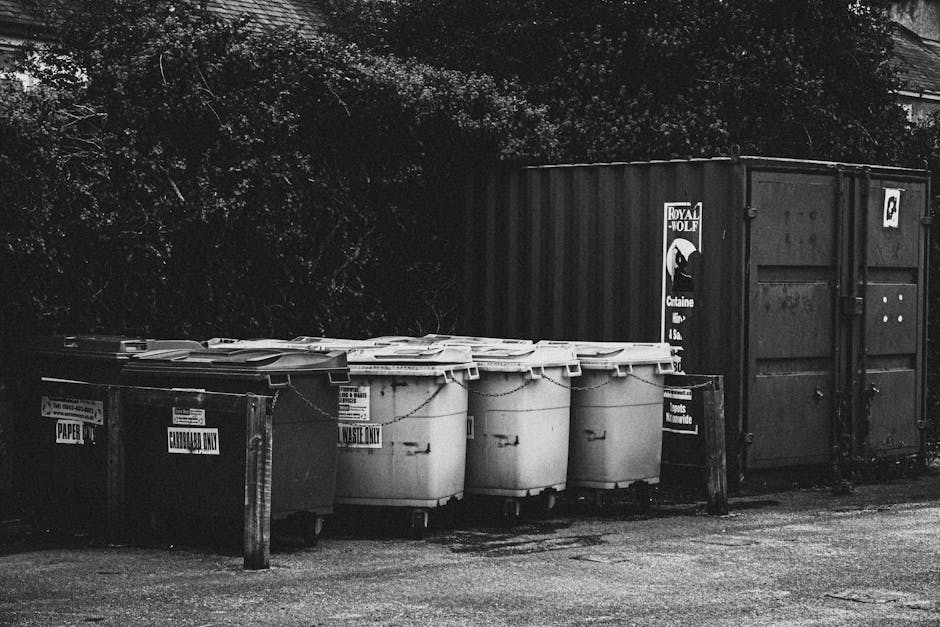
Holloway skip and disposal rules Islington council guide

If you are trying to clear a flat, renovate a property, or just get rid of a mountain of waste in Holloway, the rules can feel a bit fiddly at first. The Holloway skip and disposal rules Islington council guide below breaks everything into plain English: when a skip makes sense, what usually needs checking, what to avoid, and how to stay on the right side of local requirements without making the job harder than it needs to be.
Let's face it, waste removal is rarely the glamorous part of a move or refurb. But it is one of the bits that can cause the most stress if you get it wrong. A missed permit, an overfilled skip, or the wrong type of waste can lead to delays and extra costs. This guide is designed to help you plan properly, make a cleaner choice, and avoid the sort of last-minute scramble that nobody enjoys on a wet London morning.
Why Holloway skip and disposal rules Islington council guide Matters
Skip hire and waste disposal in a busy part of North London are not just about logistics. They affect road safety, neighbour relations, pavement access, recycling outcomes, and whether your project moves forward smoothly or gets bogged down in admin. In an area like Holloway, where streets can be tight and parking can be limited, the practical side matters just as much as the paperwork.
If a skip sits on a public road, there may be permissions and conditions to consider. If waste is being loaded in the wrong place, or put into the wrong container, it can create problems for collections, block access, or lead to contamination. Nobody wants to spend a Saturday morning arguing over rubble bags and dust sheets. Not ideal.
What makes this topic especially important is that many people assume waste rules are identical everywhere. They are not. Local council expectations, highway access issues, and the type of material you are disposing of all shape what you can do and how you should do it. A little planning up front can save a lot of hassle later.
For homeowners, renters, landlords, and small businesses, the key question is usually simple: what is the cleanest, safest, and most compliant way to remove waste from a property in Holloway? This guide answers that in a practical way, while also showing where removal services like removal services or a man and van style approach may be more suitable than hiring a skip at all.
How Holloway skip and disposal rules Islington council guide Works
In simple terms, there are three layers to think about: the waste itself, where it is placed, and how it is taken away. That sounds obvious, but it is where most people trip up. A garden clear-out, a flat refurbishment, and an office move can all generate waste, yet they may need different handling.
First, identify the type of waste. General household junk, broken furniture, building rubble, plasterboard, timber, electrical items, and garden waste all behave differently. Some can be mixed, some should be separated, and some may need specialist handling. If you dump everything together, you are more likely to create a disposal problem later.
Second, think about the location. A skip on private land is usually simpler than one on a public highway. On-street placement can bring extra rules because it affects access and traffic flow. In a compact neighbourhood like Holloway, that practical detail is often the deciding factor.
Third, decide on the collection method. A skip is useful when you have ongoing waste over several days. A van-based removal service is often better when you want everything gone in one go, especially from a flat, basement, or upper-floor property. If you are clearing a whole place before moving day, a structured service such as house removals or flat removals can be a more efficient fit than leaving waste outside for days.
One thing people often forget: access matters. If bins, parked cars, narrow steps, or shared entrances make a skip impractical, then a collection carried by hand and loaded directly into a vehicle can be the calmer choice. A bit less dramatic too.
Key Benefits and Practical Advantages
Getting your waste plan right is not just about compliance. It can make the entire project feel easier from day one. Here are the main advantages people notice straight away.
- Fewer delays: waste is removed on a schedule that matches your job, not the other way around.
- Better space management: you avoid piles of bags, boxes, and broken items taking over the hallway or pavement.
- Cleaner sorting: it is easier to keep recyclable items separate when you plan the removal properly.
- Lower stress: fewer last-minute decisions means less pressure during a move or renovation.
- Safer working conditions: clear access reduces trip hazards and makes loading quicker.
There is also a quality-of-life benefit that is easy to underestimate. A clear space changes the feel of a property. Once the old mattress, the cracked shelving, and the battered boxes are gone, the room suddenly feels usable again. You notice the light, the floor space, and even the silence.
If you are also thinking about reusing or recycling furniture, you might find furniture pick up or furniture removals more useful than treating everything as mixed waste. That small choice can make disposal feel a lot less wasteful.
Who This Is For and When It Makes Sense
This guide is useful for anyone in Holloway who is dealing with bulky, awkward, or mixed waste and wants to avoid guesswork. That includes private residents, tenants at the end of a lease, landlords clearing a property between lets, tradespeople, and office managers dealing with refurbishment debris.
It especially makes sense if you are facing one of these situations:
- a home clear-out before a sale or move
- a loft, garage, or basement clearance
- a small renovation that will create debris over several days
- an office refresh with old desks, chairs, and packaging
- student move-out clutter, which has a way of multiplying overnight
- heavy furniture that needs lifting out of a narrow stairwell
If the waste is mainly household items and there is limited road space, a skip is not always the cleanest answer. A vehicle-based clearance may be quicker and easier, particularly if you need help with lifting and transport. In those cases, services such as same day removals or a flexible man with a van option can be more practical.
On the other hand, if you are a contractor with a steady stream of rubble or building waste, a skip can still be the sensible route. It all comes down to how much waste you have, how quickly it will be generated, and how easy the site is to access.
Step-by-Step Guidance
Here is a straightforward way to work through the decision without overcomplicating it.
- List the waste categories. Separate furniture, general junk, recyclables, electricals, and building debris. Even a rough list helps.
- Check the space available. Ask yourself whether a skip can be placed safely on private land or whether road placement would be unavoidable.
- Estimate the volume. A few bags are very different from a full room's worth of broken items. Bigger jobs usually need more structured planning.
- Think about timing. Do you need the waste gone now, or will it build up over several days? That answer often decides between a skip and a collection service.
- Plan for lifting and loading. Heavy waste, awkward furniture, and stairs can make a simple job far less simple. Truth be told, this is where many DIY plans go sideways.
- Choose the disposal route. Match the method to the waste and the access. Use a skip when it suits the site; use collection when speed and access matter more.
- Keep the area tidy. Use gloves, dust sheets, and clear walkways. A tidy loading area makes everything safer.
- Confirm what can and cannot go in. Some items need separate handling. Do not assume all waste is treated equally.
If you are moving as well as clearing out, it can help to combine your waste plan with packing. A service such as packing and boxes can reduce confusion about what is staying, what is going, and what needs to be stored temporarily.
And if you need somewhere to keep items that are not ready to be discarded, storage can buy you breathing room. That can be a real lifesaver when your move-out date and renovation schedule are not playing nicely together.
Expert Tips for Better Results
Small improvements make a big difference here. A bit of planning turns a messy clearance into a manageable job.
- Sort before you lift. You save time if recyclable cardboard, reusable furniture, and true waste are separated early.
- Measure access points. Doors, stairwells, and alleyways matter more than people expect.
- Protect floors and walls. Especially in rented flats, chipped paint and scratched floors become arguments later.
- Bundle light waste properly. Loose rubbish takes longer to move and makes the job feel endless.
- Keep a "do not load" pile. It sounds obvious, but one mixed pile can save a lot of accidental disposal mistakes.
To be fair, the smartest move is often the simplest one: decide in advance what the end point is. Do you want a completely empty room, a tidy partial clear-out, or a full site clearance? Once that is clear, the disposal method usually becomes obvious.
If the job involves business premises, the same logic applies. Office clearances often need careful handling of furniture, packaging, and sensitive items. In those cases, office removals or broader commercial moves support can be more appropriate than a standalone skip. A filing cabinet is not just a box of metal, after all.
Common Mistakes to Avoid
Most disposal problems are preventable. The tricky bit is that they often look small until they turn into a bigger headache.
- Ordering the wrong size solution: too small and you need another collection; too large and you waste money and space.
- Ignoring access issues: a skip that blocks a narrow street can cause trouble fast.
- Mixing unsuitable waste: some items are not meant to be loaded with general rubbish.
- Leaving waste to pile up: this creates hazards and makes the job feel bigger than it is.
- Forgetting the final clean-up: fine dust, screws, and broken bits tend to linger under skirting boards and in corners.
One quiet mistake people make is underestimating how emotional a clearance can be. You open a cupboard and suddenly there are old school books, spare keys, a busted lamp, and two things you thought were lost years ago. It slows you down. So, keep decisions simple and move section by section.
If you are dealing with a large domestic move, pairing disposal with a dedicated moving service can reduce the chance of things getting mixed up. Services like home moves or removals can make the logistics less chaotic, especially when a property has to be cleared quickly.
Tools, Resources and Recommendations
You do not need a huge toolkit, but a few practical items help more than you might think.
- Heavy-duty gloves: for splinters, sharp edges, and dusty items.
- Dust sheets or tarps: useful if you are carrying waste through finished rooms.
- Marker pens and labels: ideal for separating keep, donate, recycle, and dispose piles.
- Strong sacks or boxes: better for safe handling than overstuffed flimsy bags.
- Basic measuring tape: helpful for checking access points, especially in older properties.
For moving larger items, the right vehicle matters as well. Depending on the job size, a removal van or removal truck hire may suit better than a static skip. And if you need help managing the physical side of the work, man with van support can be a practical middle ground.
One recommendation that sounds dull but matters a lot: keep a short written list of what is being removed. It helps if you need to double-check a load, talk to a mover, or confirm what was left behind. Simple, but effective.
Law, Compliance, Standards, or Best Practice
Because waste handling can involve public space, access issues, and regulated disposal routes, it is sensible to treat it carefully. The exact requirements depend on where the skip is placed, what type of waste you have, and how the collection is arranged. If you are unsure, it is wise to verify the details before anything arrives.
From a best-practice point of view, the safest approach is to:
- keep waste separated where possible
- avoid overfilling containers
- prevent materials from spilling into walkways
- make sure loads are safe to move and transport
- use a method that suits the site rather than forcing one that does not
There is also a duty of care mindset that is worth following even on small jobs. In plain English: you should know where your waste is going and make sure it is handled properly. That protects you, your neighbours, and the quality of the disposal process.
For businesses, this matters even more. Commercial clear-outs, office removals, and storage handovers often involve branded materials, confidential paperwork, or mixed furniture loads. A little structure helps keep everything tidy and reduces avoidable risk. If you are making a major change, you may also want to review terms and conditions and the company's approach to health and safety policy and insurance and safety.
Options, Methods, or Comparison Table
Here is a practical comparison of the most common approaches. There is no single perfect answer; the right choice depends on access, timing, and waste type.
| Method | Best for | Advantages | Trade-offs |
|---|---|---|---|
| Skip hire | Ongoing waste over several days | Good for phased clear-outs and building projects | Can be awkward on tight streets and may need extra planning |
| Man and van clearance | Fast removal from flats, houses, or offices | Flexible, direct, and often simpler for access-limited properties | Less suitable if waste is being generated continuously |
| Full removal service | Moves, large clearances, and mixed loads | Good when furniture, boxes, and unwanted items all need handling | Needs more coordination if you are still sorting items |
| Storage first, disposal later | When you are undecided or staging a move | Buys time and reduces rushed decisions | Adds an extra step and may delay final clearance |
If you are comparing options for a busy move, the most useful question is not "Which is cheapest?" It is "Which one gets the job done cleanly with the least disruption?" That answer changes from property to property, and sometimes from room to room.
Case Study or Real-World Example
Imagine a second-floor flat in Holloway at the end of a tenancy. The occupants have a wardrobe to remove, a few broken chairs, several black sacks, and a pile of packaging from new furniture that arrived the same week. The stairwell is narrow, the street has limited parking, and the landlord wants the place cleared by Friday afternoon.
In that situation, a skip on the road may not be the most practical answer. It could create access issues and add extra admin. A better approach might be a direct collection, with items sorted before the team arrives. Packaging can go separately, reusable furniture can be assessed, and the bulky bits can be loaded without blocking the pavement for days.
The result? The flat is cleared faster, the route through the building stays safer, and the final handover is less stressful. That is the sort of win people appreciate when they have already spent a week juggling keys, cleaners, and energy bills.
If the same example were an office instead of a flat, the logic would be similar. Old desks, boxed files, and redundant furniture are often easier to deal with through a controlled clearance than by scattering them around outside. For that kind of project, office relocation services can help keep the move structured and reduce the chance of waste and useful items getting mixed together.
Practical Checklist
Use this checklist before you book anything or start loading waste.
- Identify the waste type: general, bulky, recyclable, electrical, or construction-related
- Check whether the waste will be stored on private land or near the road
- Measure access points, stairwells, gates, and hallways
- Decide whether the job is one-off or spread across several days
- Separate reusable items from true waste
- Prepare gloves, boxes, sacks, and floor protection
- Confirm whether a skip, van collection, or full removal service is most suitable
- Plan the loading order so the heaviest items go in first
- Keep walkways clear during the collection
- Leave a small final sweep for screws, dust, and loose debris
Expert summary: if the site is tight, the job is time-sensitive, or you are removing mixed household items, a flexible collection method is often easier than trying to force a skip into a space that does not really suit it. If the job is larger and ongoing, a skip may still be the right call. The best choice is the one that keeps the property safe, the schedule realistic, and the waste route straightforward.
Get a free quote today and see how much you can save.
Conclusion
The main thing to remember about the Holloway skip and disposal rules Islington council guide is that there is no one-size-fits-all answer. The right method depends on the waste, the location, the access, and how quickly you need everything gone. Once you look at those four things honestly, the decision usually becomes much clearer.
For some people, a skip is the right tool. For others, a van-based removal or full property clearance is cleaner, faster, and less stressful. Either way, a bit of planning goes a long way. And if you are in the middle of a move or refurbishment, that bit of planning can feel like a small mercy, honestly.
Keep it simple, stay organised, and choose the option that makes the property easier to live in, work in, or hand back. That is the goal, after all.
Frequently Asked Questions
Do I always need a skip for waste disposal in Holloway?
No. A skip is useful for ongoing or bulky waste, but many clear-outs are easier with a direct removal service, especially when access is tight or the load is mostly furniture and mixed household items.
Can I put a skip on the street in Holloway?
Possibly, but road placement is usually where extra checks come in. Public-road use can bring access and permission considerations, so it is worth confirming the details before arranging delivery.
What is the safest option for a flat clearance?
For many flats, a van-based clearance is safer and simpler than a skip. It avoids blocking shared access and lets items be taken straight from the property without sitting outside for days.
What items should not be mixed with general waste?
Some items need separate handling, such as electrical goods, certain building materials, and anything that may create contamination. If in doubt, separate it rather than guessing. That saves trouble later.
Is a man and van service suitable for rubbish removal?
Yes, if the provider offers waste collection and the load is suitable for transport. It can be a very practical option for smaller clearances, household junk, and awkward items from upper-floor properties.
How do I decide between skip hire and removal services?
Think about space, timing, and waste volume. If waste is being generated gradually on-site, a skip may fit. If you want it gone in one visit, a removal service is often the better fit.
What should I do if I am clearing a property before moving out?
Start by separating keep, donate, recycle, and dispose piles. If you also need moving help, combining clearance with home moves can save time and reduce the chance of items being mixed up.
How can I reduce disposal costs?
Sort items before collection, avoid over-ordering capacity, and separate anything reusable. The cleaner the load, the easier it usually is to manage the disposal process without extra complications.
What if I have bulky furniture and building waste together?
That is common, especially during renovations. In many cases, it is better to split the waste into categories and use a service that can handle mixed loads rather than forcing everything into one container.
Do I need to plan differently for office waste?
Yes. Office waste can include desks, chairs, packaging, files, and equipment, so it often needs more structure. A commercial clearance or office-focused move is usually the neatest route.
Can storage help if I am not ready to dispose of everything yet?
Absolutely. If you are undecided about what to keep, or the timing between move-out and disposal does not line up, storage can give you breathing space and prevent rushed decisions.
What is the biggest mistake people make with skip and disposal planning?
Probably underestimating access. People focus on the waste itself and forget about stairs, parking, neighbours, and loading space. In Holloway, that is often the difference between a smooth job and a frustrating one.